

Key Takeaways
- Hurricane-rated glass protects against high winds and flying debris and meets Gulf Coast building codes.
- The main options include impact-rated laminated glass, standard laminated glass, and non-impact glass paired with storm shutters.
- Impact-rated windows offer 24/7 protection with no prep required when a storm approaches — a major advantage for coastal properties.
If you live or own property along the Alabama Gulf Coast, you already know: storm season isn’t a matter of if, it’s when. Every year, homeowners and businesses face the possibility of a named storm — and windows and glass doors are among the most vulnerable parts of any structure. Choosing the right hurricane glass on the Gulf Coast is one of the most effective ways to protect your property.
Standard windows can fail under sustained hurricane-force winds or flying debris. When a window breaks during a storm, the pressure change inside a building can lift a roof, blow out walls, and dramatically increase the damage a storm causes. Hurricane glass on the Gulf Coast is designed to prevent that failure.
Here’s a plain-English guide to your main options.
Impact-Rated Laminated Glass
This is the gold standard for coastal protection.
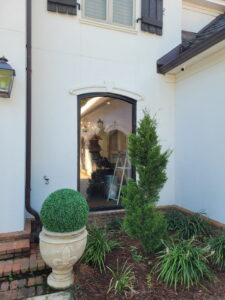
Impact-rated windows use two panes of glass bonded together with a tough interlayer (typically PVB or SentryGlas). If the outer pane cracks — say, from a piece of flying debris — the interlayer holds the glass together, keeping the window intact and the building sealed.
Best for:
- Homes in coastal windborne debris zones
- Commercial storefronts and offices
- Anyone who wants 24/7 protection without deploying shutters
Pros:
- Meets Florida and Alabama coastal building codes
- No prep needed when a storm approaches
- Also improves security, sound insulation, and UV protection
- Insurance discounts often available
Cons:
- Higher up-front cost than standard windows
- Slightly heavier — installation is more involved
Standard Laminated Glass
Similar construction to impact-rated glass, but without the same rigorous testing for large missile impact. Standard laminated glass offers meaningful protection, better security than tempered glass alone, and improved sound reduction.
Best for:
- Interior applications where full impact rating isn’t required
- Buildings outside the strictest windborne debris zones
- Projects where budget is a factor but some protection is desired
Non-Impact Glass with Storm Shutters
For some property owners, non-impact windows paired with hurricane shutters (accordion, roll-down, panel, or Bahama-style) are the right fit — especially on older buildings where full window replacement isn’t practical.
Best for:
- Historic properties
- Rental units or seasonal properties
- Budget-conscious retrofits
Trade-off: Shutters require manual deployment before every storm, which isn’t always feasible for absentee owners.
Curtain Walls and Storefront Systems
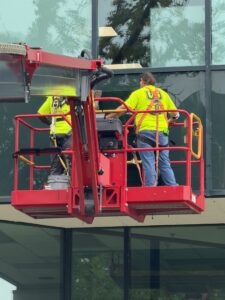
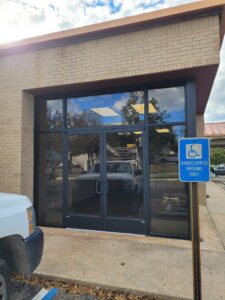
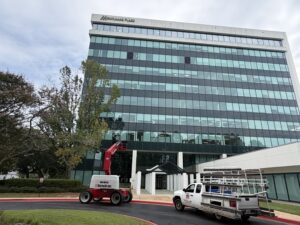
For commercial buildings, impact-rated curtain wall and storefront systems bring the same protection to large glazed facades. These are custom fabricated and installed as complete systems, meeting the wind load and impact requirements of coastal building codes.
Universal Glass is BROWZ certified for industrial and commercial job sites and installs impact-rated storefront and curtain wall systems across the Gulf Coast.
What About Building Code?
Alabama’s coastal counties — Mobile and Baldwin — have specific windborne debris zone requirements. Any new construction or major renovation typically needs impact-rated glazing or approved shutter systems. If you’re building, remodeling, or replacing windows on a home or commercial property in the coastal zone, it’s worth confirming with your GC or glazier what’s required for your specific project.
Which Option Is Right for You?
The right hurricane glass depends on the property, the location, your budget, and how you use the space. Whether you need residential glass for your home or a commercial system, a quick conversation with a qualified glazier can clarify the options quickly.
If you’d like to talk through hurricane glass for a home, commercial property, or new construction project on the Gulf Coast, give Universal Glass a call at 251-479-9535 or reach out through our contact page. We’re happy to walk you through what makes sense for your situation.
Frequently Asked Questions
Hurricane-rated glass, also called impact-rated glass, is laminated glass tested to withstand high winds and flying debris. It uses two panes bonded together with a tough interlayer that holds the glass in place even if the outer pane breaks.
It depends on your property’s location and local building codes. Coastal windborne debris zones in Mobile and Baldwin Counties typically require impact-rated glazing or approved shutter systems for new construction and major renovations.
Impact-rated windows generally cost more than standard windows, but the price varies based on size, frame material, and manufacturer. Many homeowners see the extra cost offset over time through insurance discounts and energy savings.
In most cases, hurricane protection requires replacing the entire window unit — not just the glass. Alternatively, you can add storm shutters to existing non-impact windows. A glazier can help you decide which option makes sense for your property.
Yes. Most impact-rated laminated glass blocks a significant amount of UV light, helping protect flooring, furniture, and interior finishes from fading.